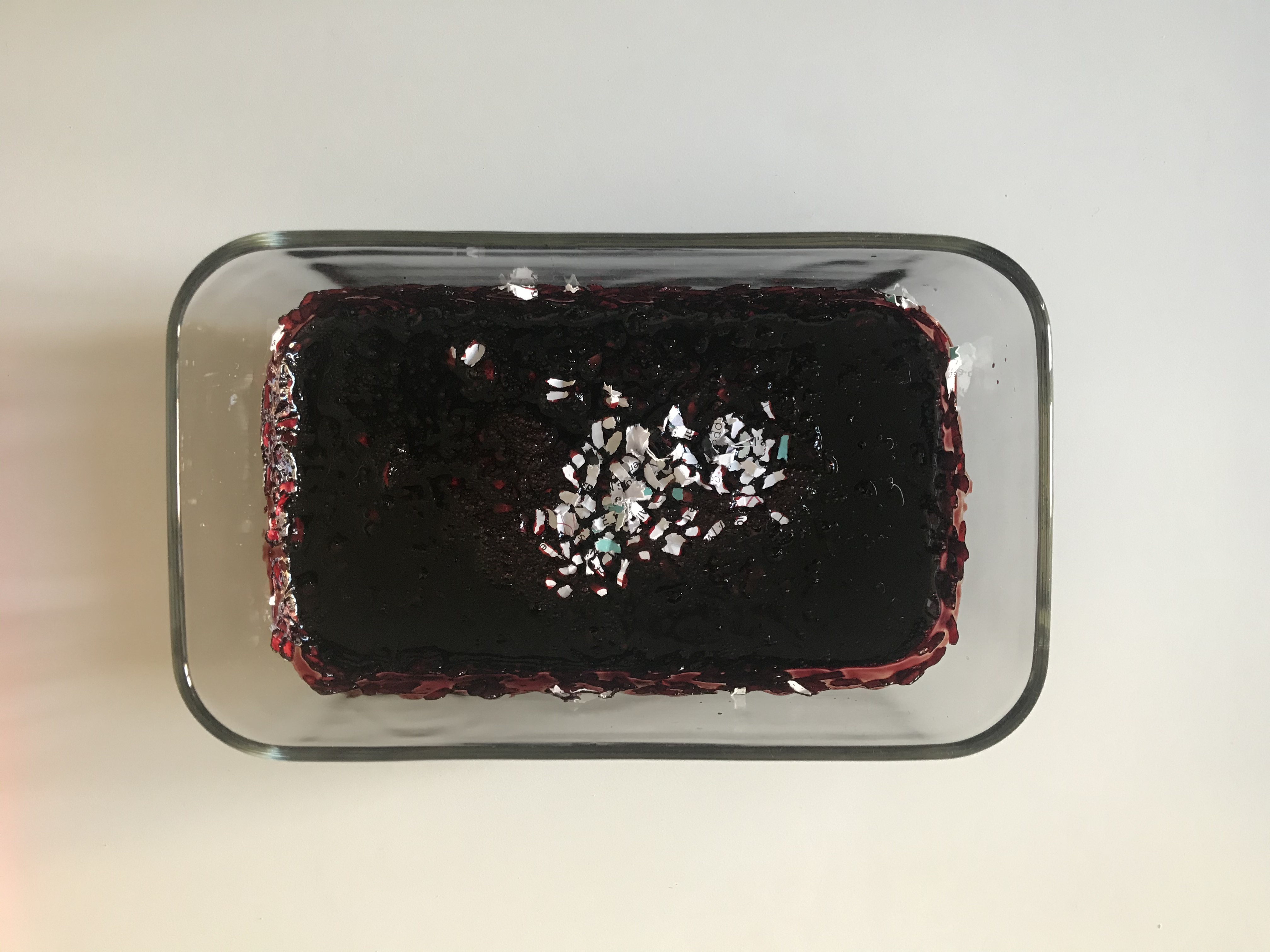


Animal blood – A, 2021
Marzia Ricci
UNIPA
Biomateriali e componenti per il design – prof.ssa Simona Colajanni


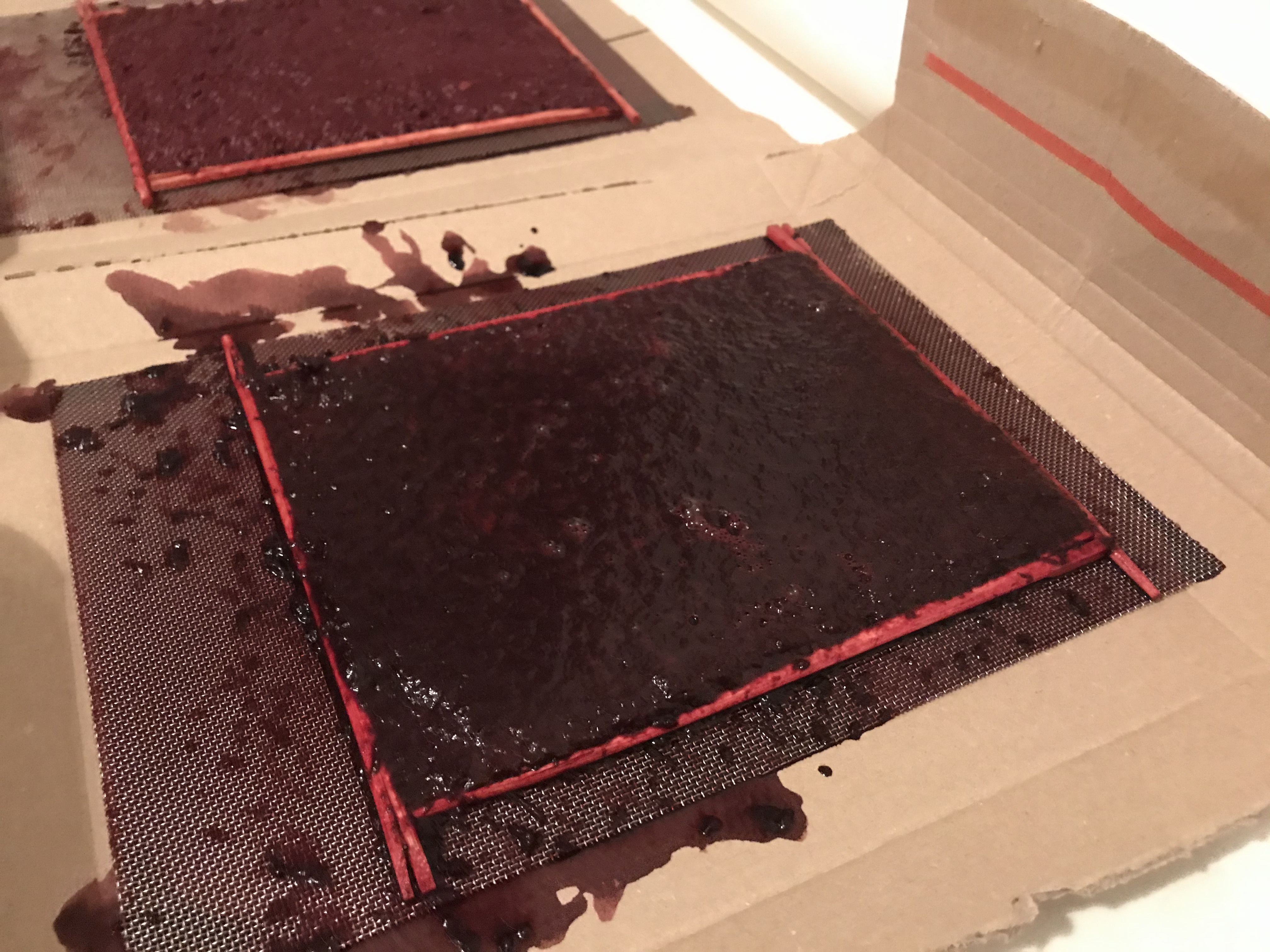
Animal blood – B, 2021
Marzia Ricci
UNIPA
Biomateriali e componenti per il design – prof.ssa Simona Colajanni

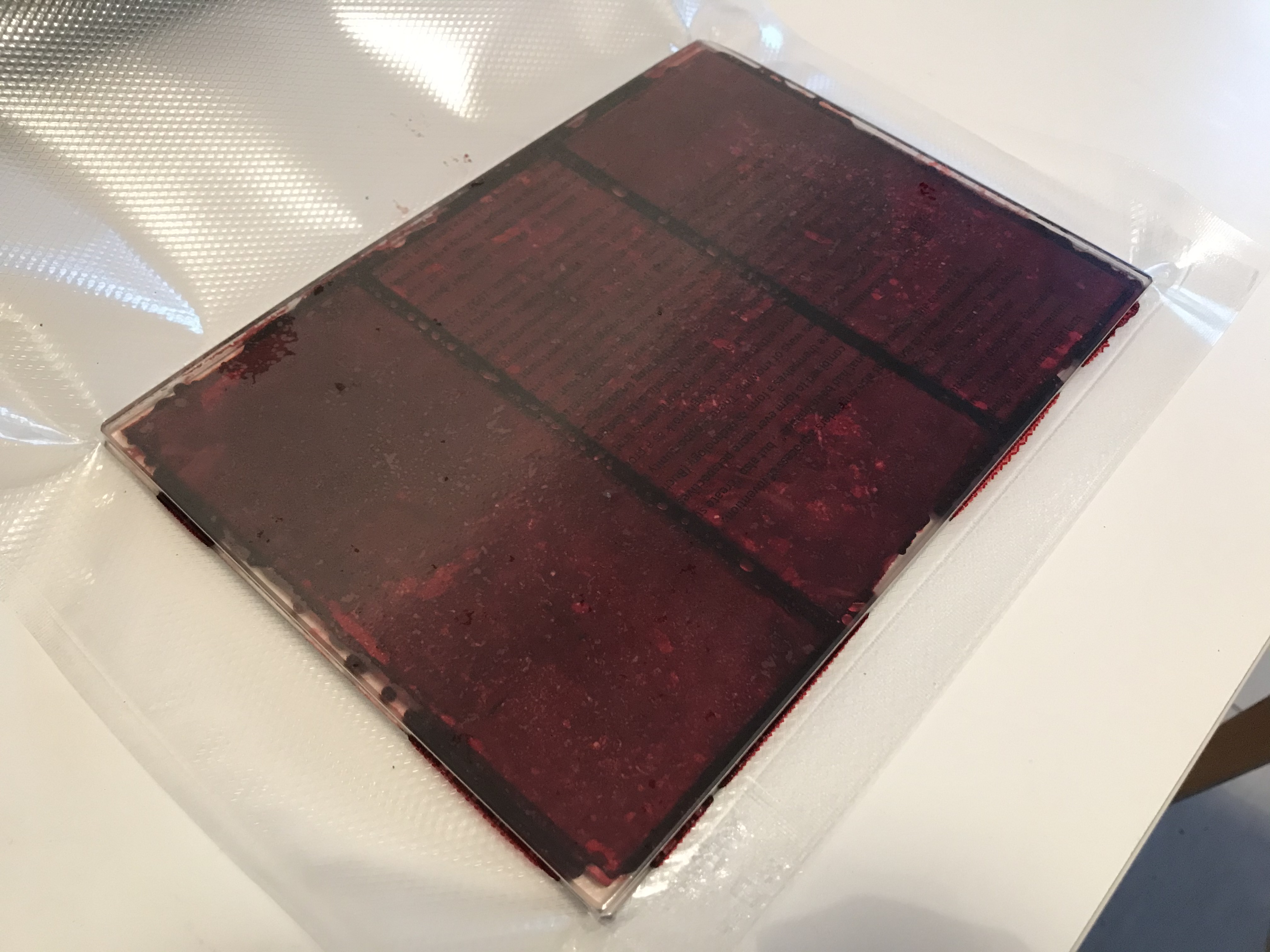

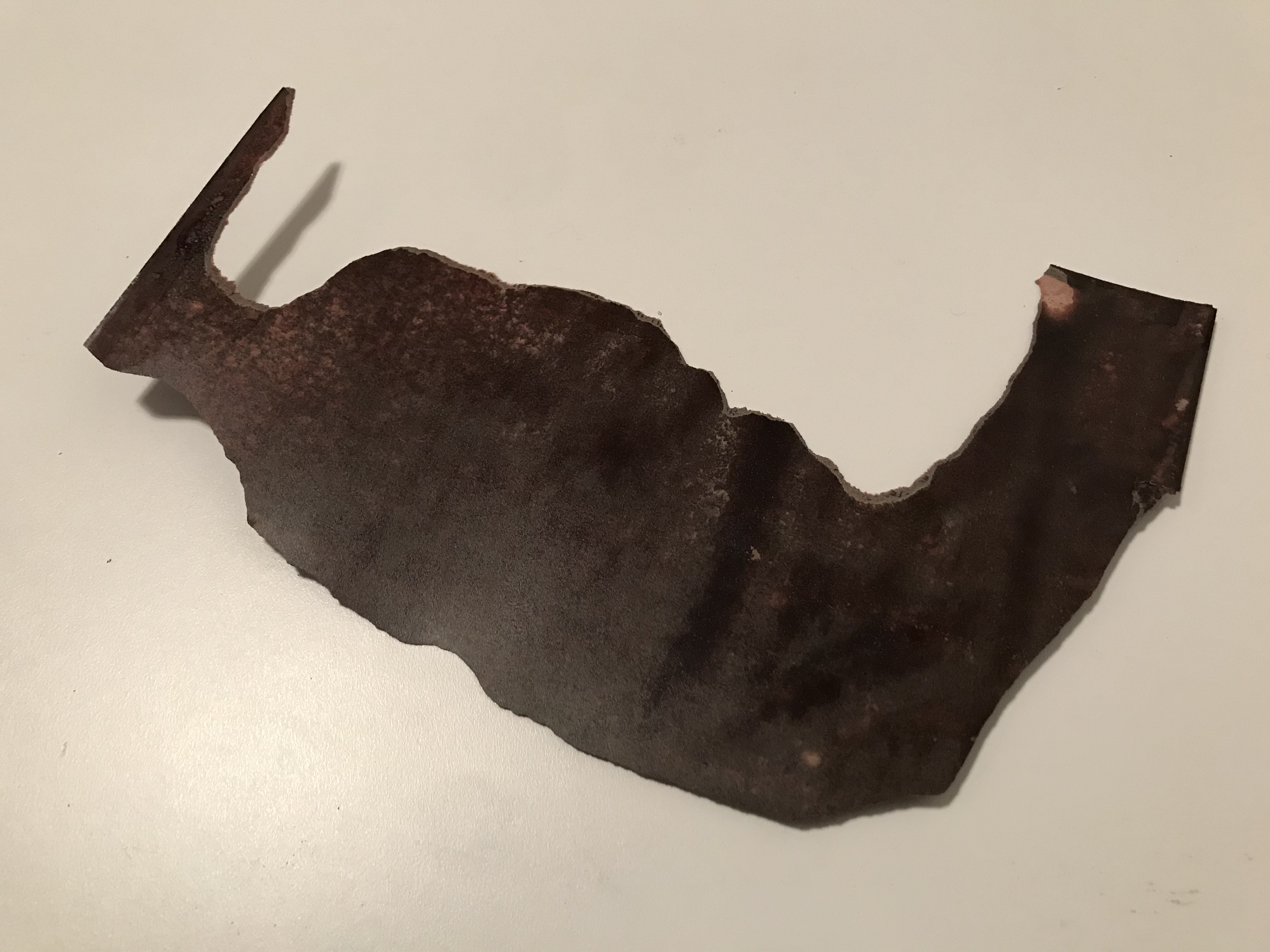
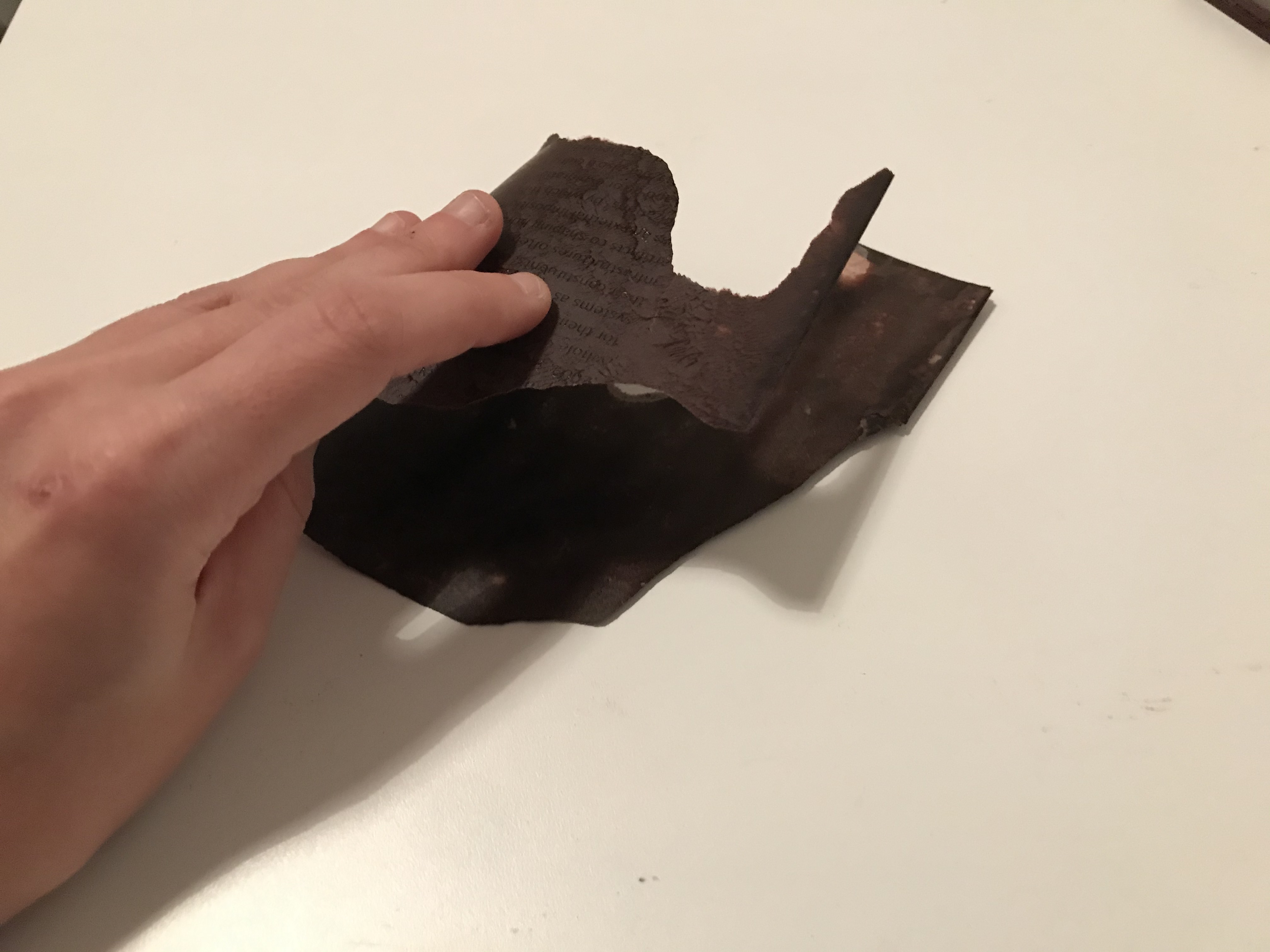
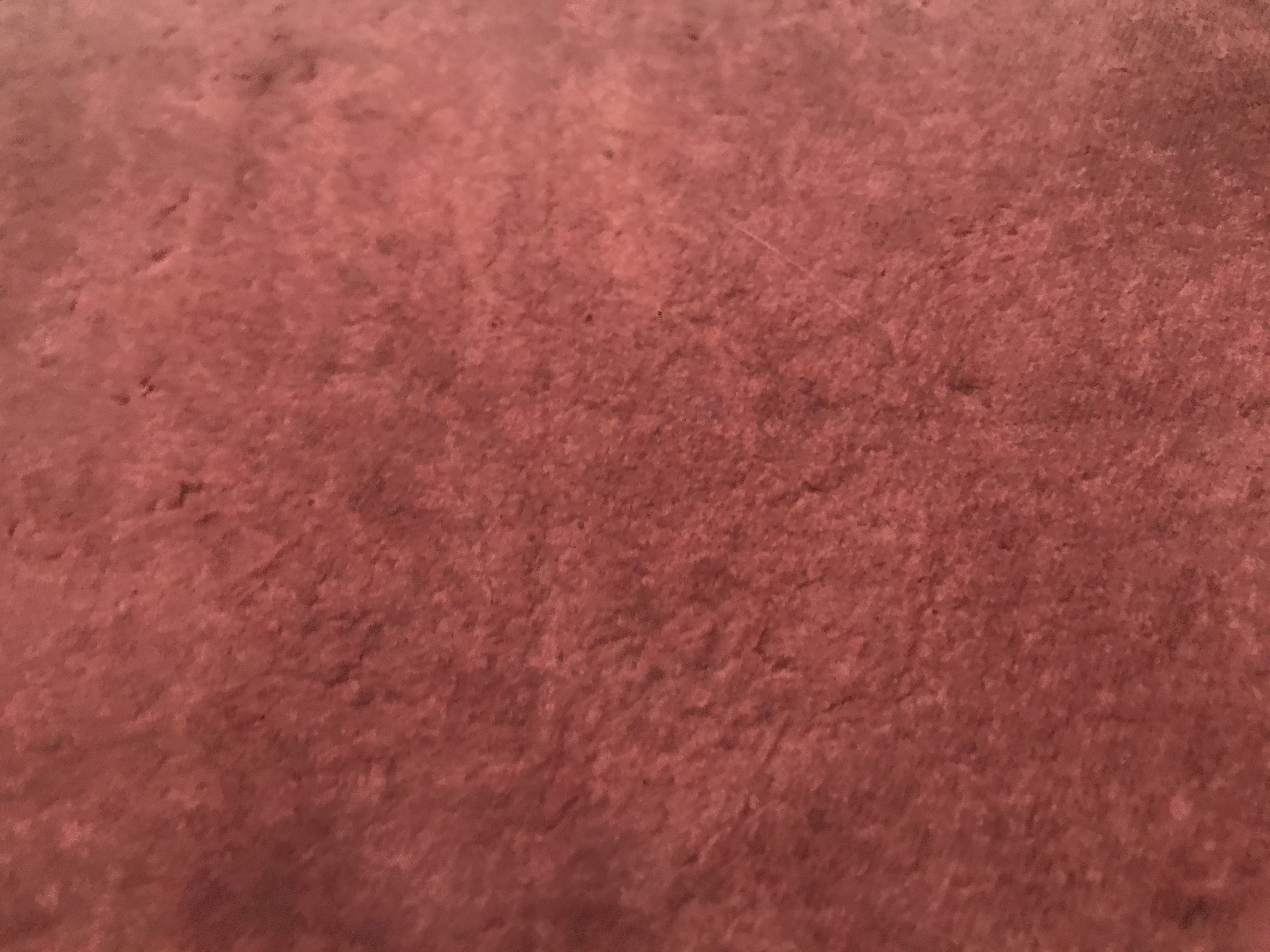
Animal blood – C, 2021
Marzia Ricci
UNIPA
Biomateriali e componenti per il design – prof.ssa Simona Colajanni
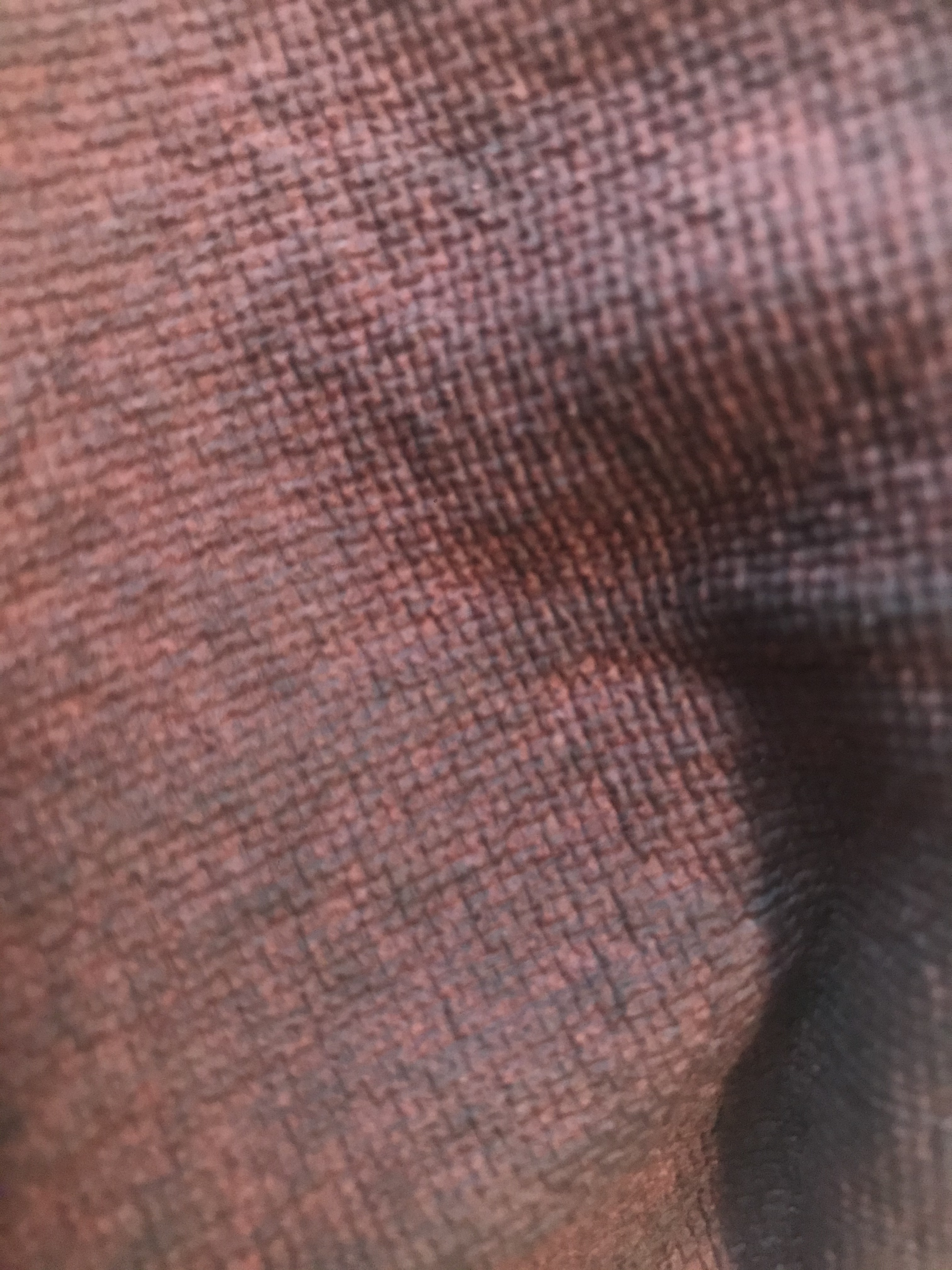
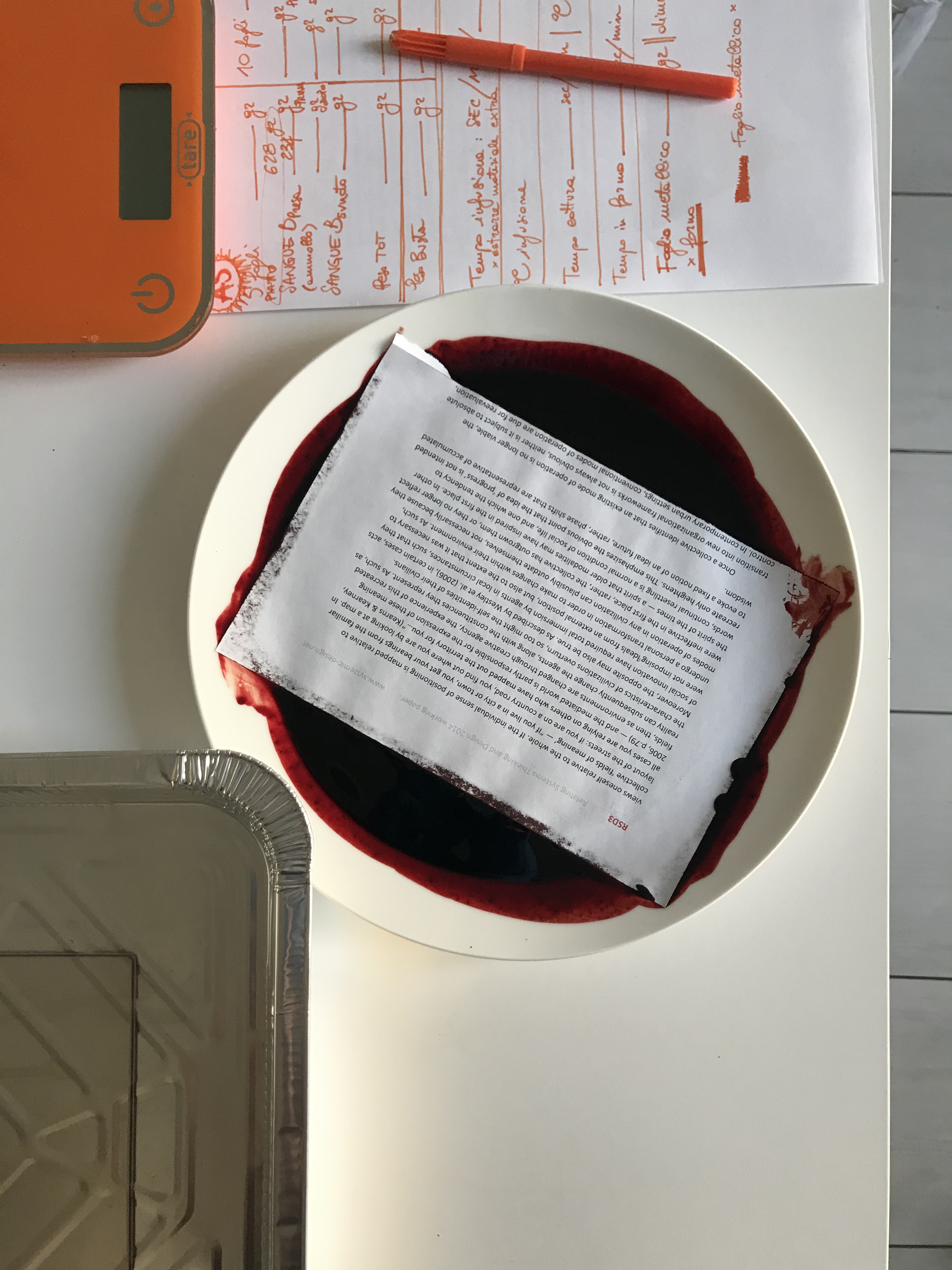
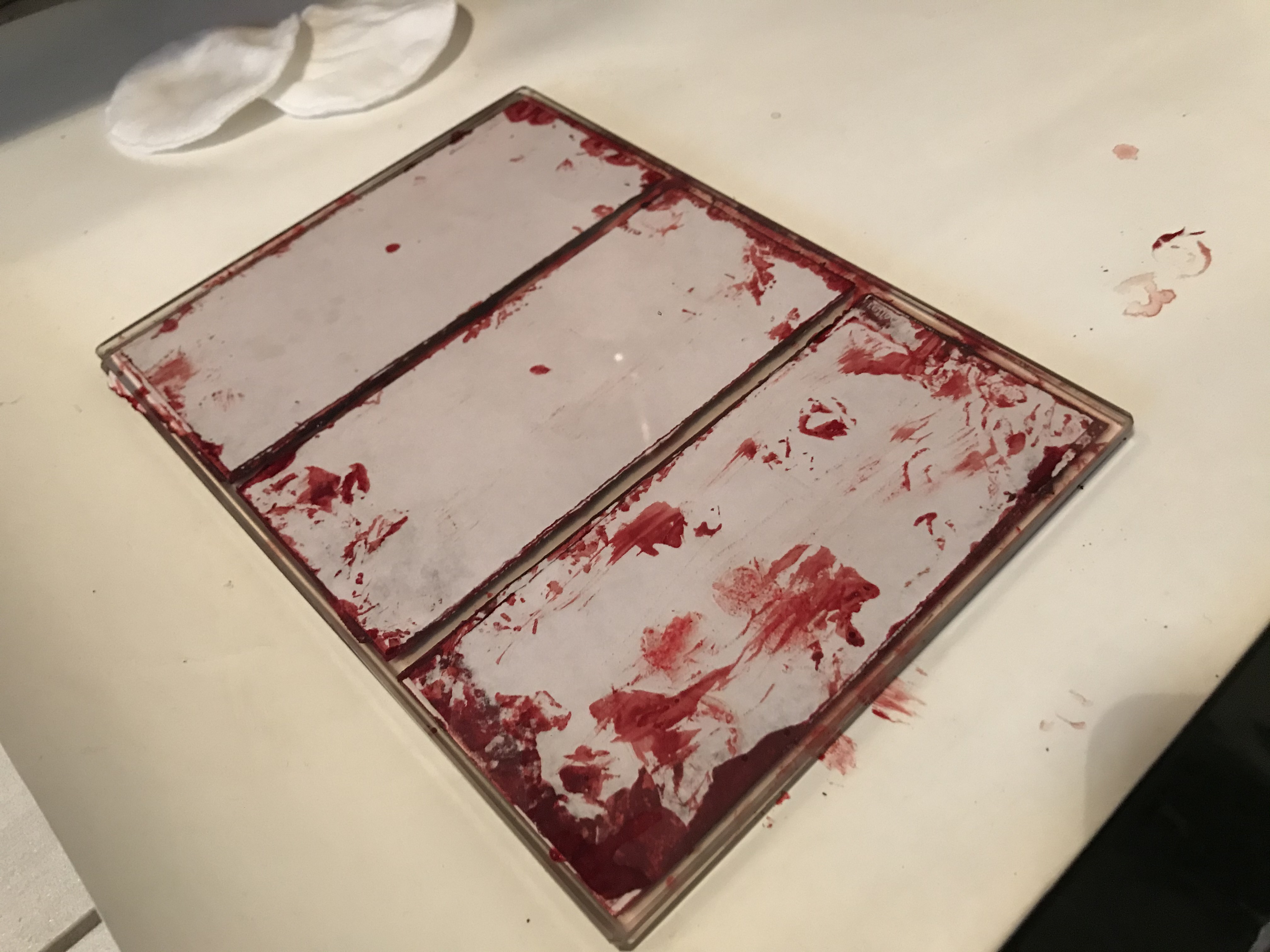
Considering the sustainable goals of our contemporary context, during the course I focused my research on the animal’s blood from slaughterhouses.
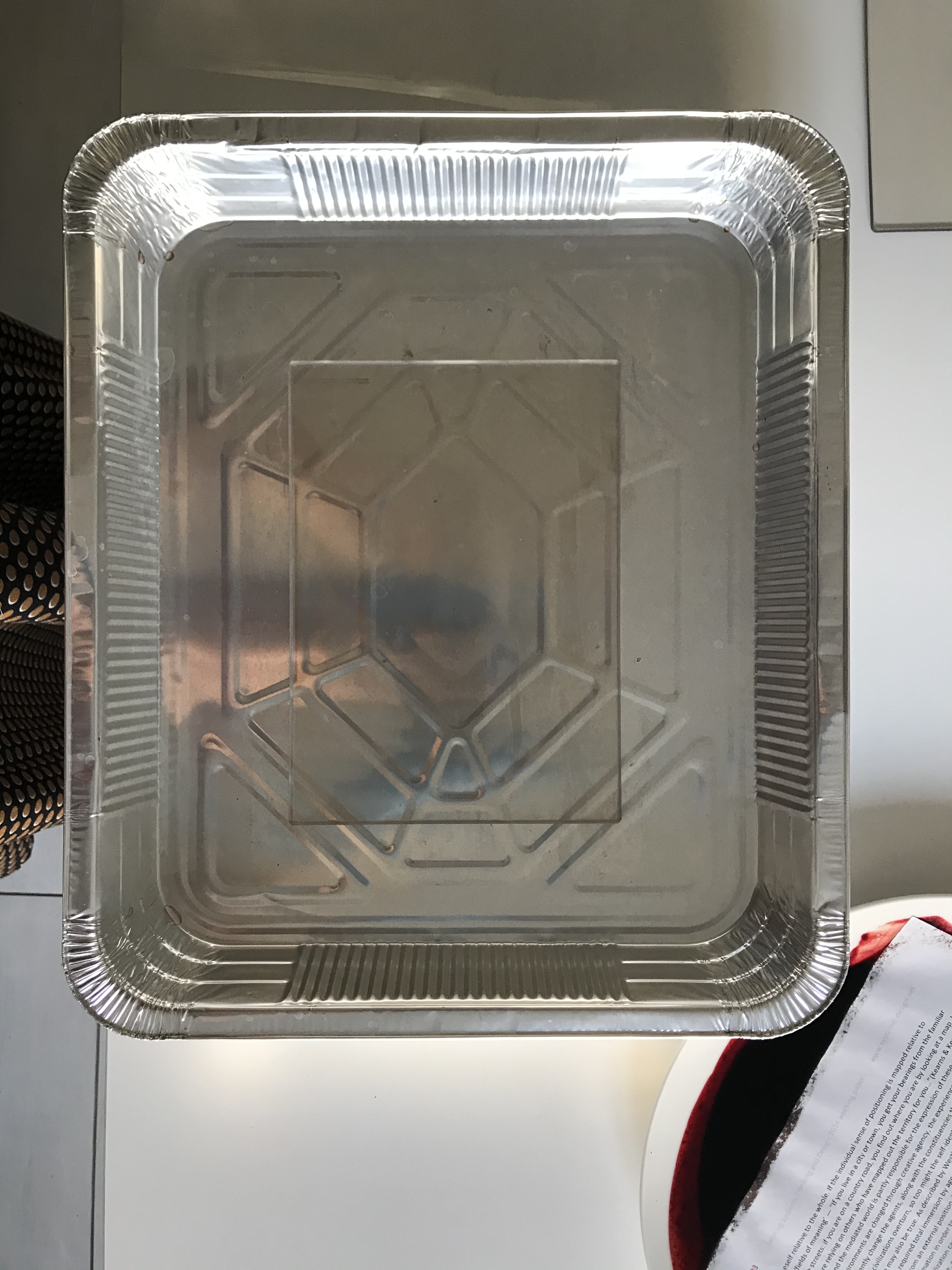
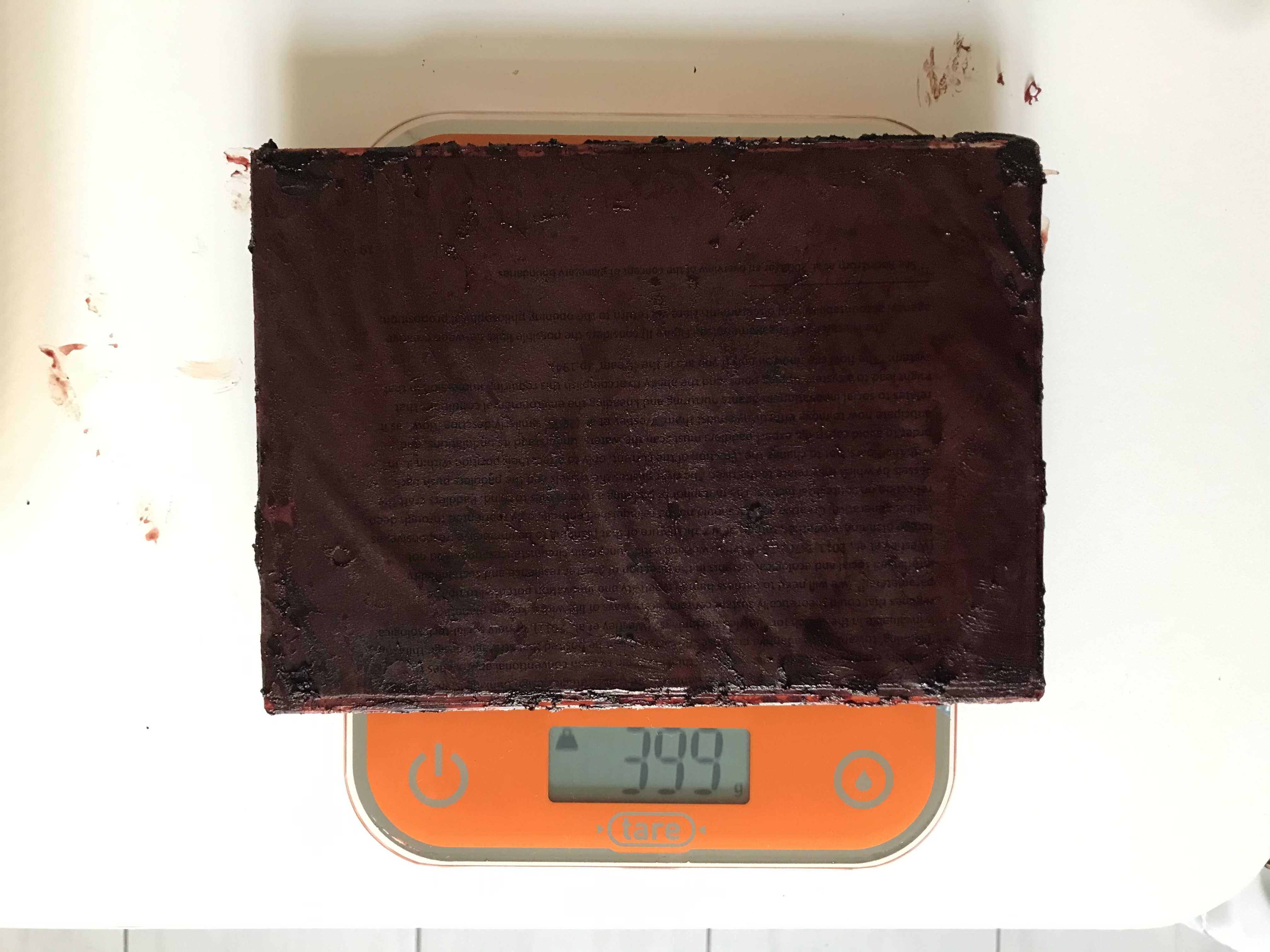
Only in Sicily, the production of blood by cattle slaughtering, in 2018, is around 1,896,510.27 liters (Istat). Blood per bovine corresponds to about 4.3 percent of weight, totaling about 24.5 liters of blood on average. Numbers increases considering pigs and sheep and goats. The research phase proceeded by understanding the material composition and carachteristics, its previous uses, and its future fields of application. It followed the experimentation phase, which involved the use of recycled paper too.
As long as slaughter for food consumption exists, not using the animal’s blood is a waste about which ethical, environmental and economic sustainability assessments need to be made. Its use within biomaterials for construction, for example, could contribute to awareness raising on meat consumption and livestock issues on the one hand, and on the other hand it could provide us with material solutions with less environmental impact.
* This experimentation could not address issues of material healthiness nor decay over time.
 marzia ricci